This is the first year I can remember getting excited about the end of summer, and being happy to see rain in the forecast. Autumn means tree planting! We’ve had a dry few weeks but have finally been gifted a decent downpour, and – hopefully not too early – I’ve been out with the spade.
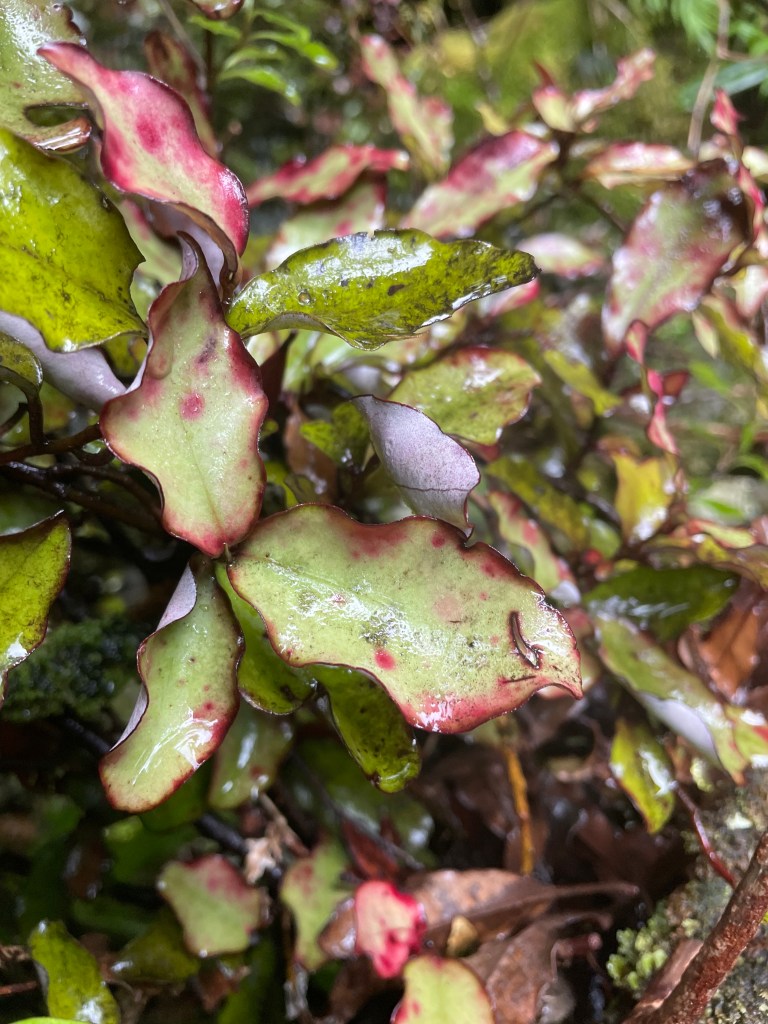
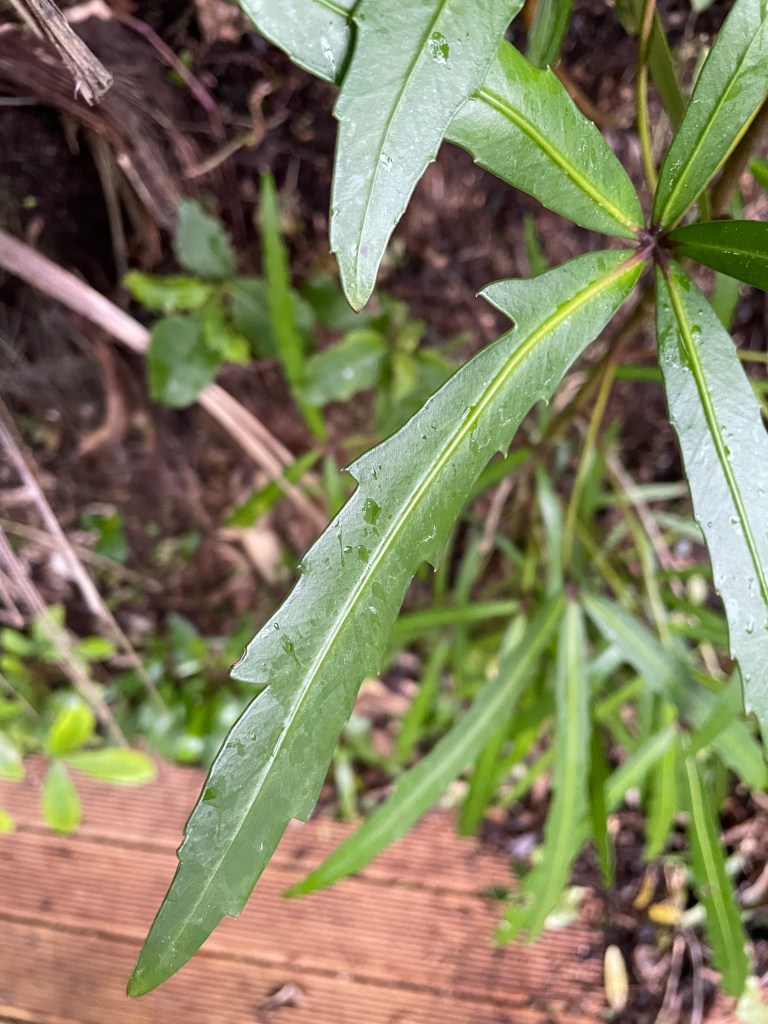
We have a nice tree lineup at the front now: ngaio, tītoki, the existing pigeonwood, and a mountain horopito. I’m just back from a West Coast trip where the horopito was a warm chromatic contrast to the evergreen bush. I usually try and plant Wellingtonian natives, but I’ve quietly forgotten the rule for this new favourite.
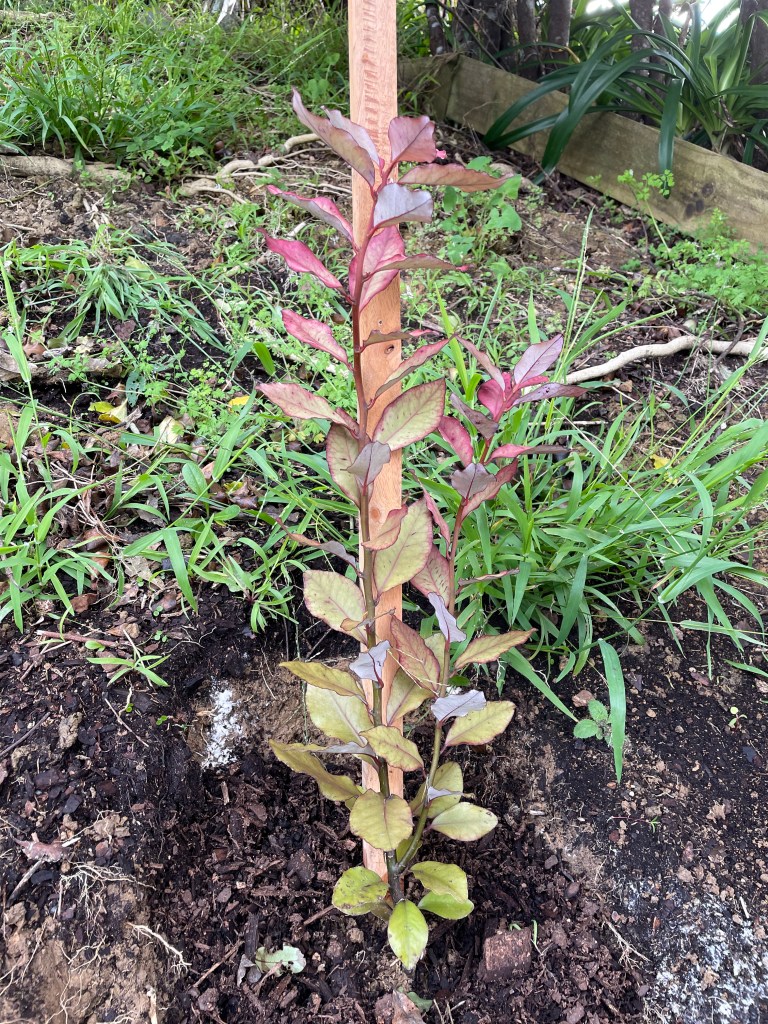
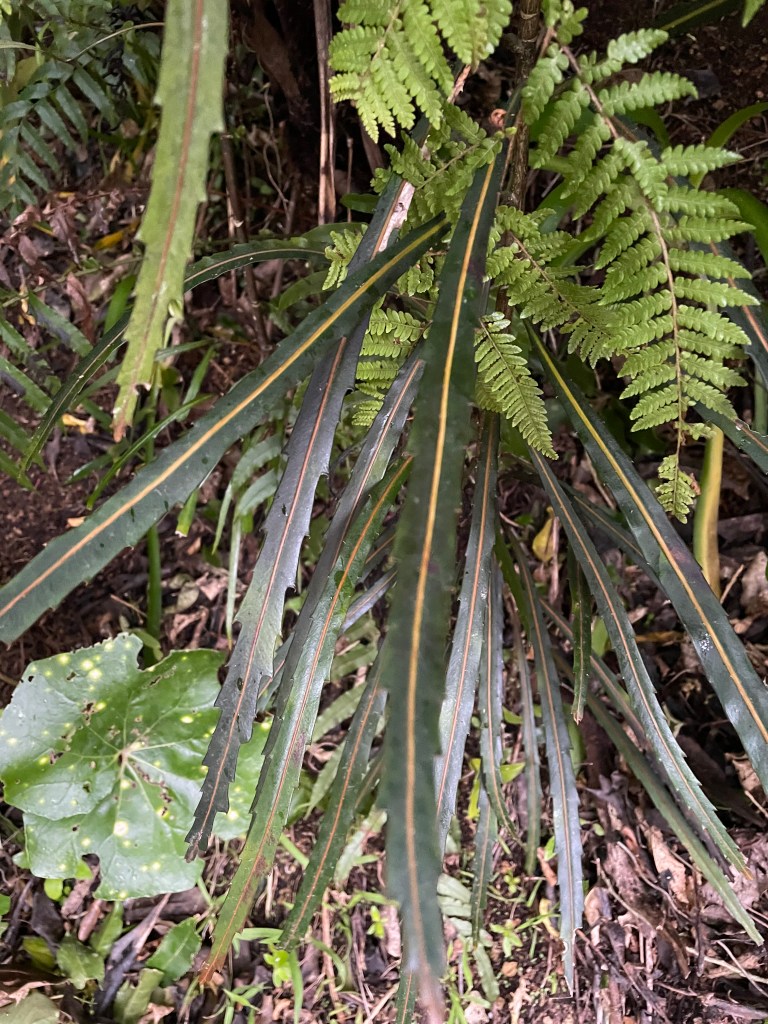
The bank we’ve named “Monkey’s Fernery” now has a prickly shield fern, a kiokio and a little prostrate hebe. I’ve also tucked in a northern rātā sapling amongst the bigger trees, which may not be my smartest idea if it shoots to the clouds. There are a fair few in the Orongorongo Valley that would loom large over our little house.
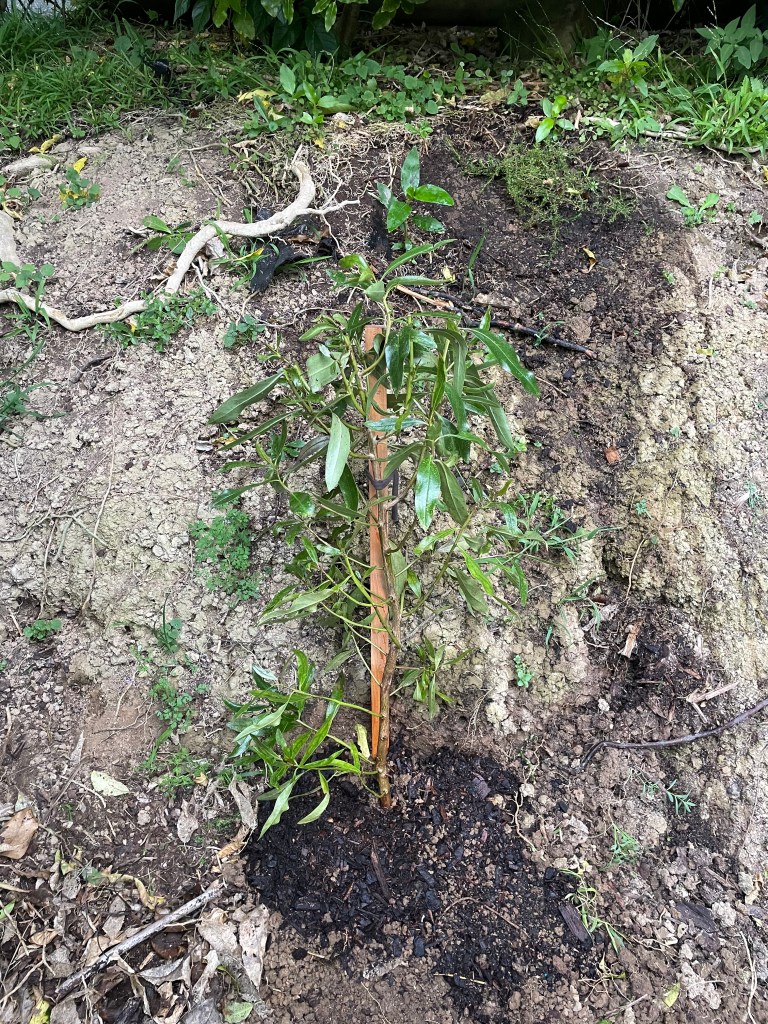
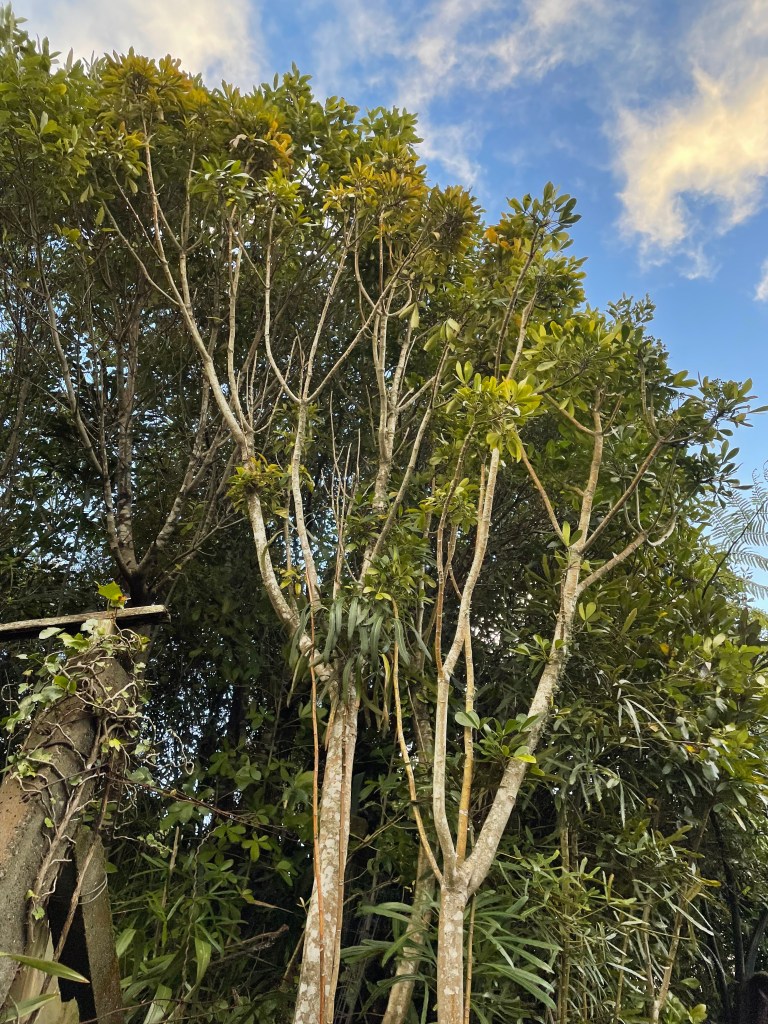
Just in front of our fenceline, two kaikōmako/bellbird trees and a pair of small kōwhai are now braving a relentlessly weedy spot on top of the rocky road reserve bank. Good luck to them. Let’s hope at least half of the new plantings survive their first winter.
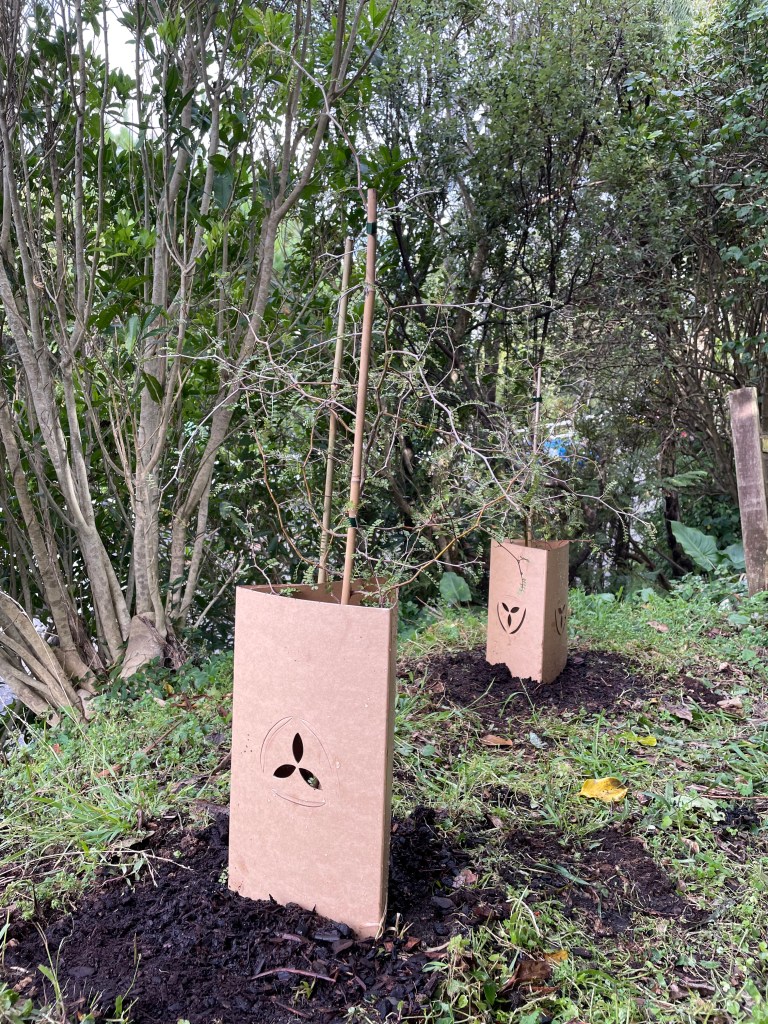

 kōwhai