Curly carrots

One of our house’s previous owners had created a small square of beach. With apologies to my future offspring, this sandpit looked like an ideal raised bed for vegetables, in an accessible and sunny spot. There was just a simple swap needed from sand to soil.

I filled about twenty sandbags at the height of summer and humped them up the slope and under the house. Peeling back the sheet at the bottom of the sandpit, I made the dispiriting discovery there was a generous layer of pea gravel to shift too. Twenty more bags and a backache later, the rock-hard soil was revealed. Yet more bags – much bigger ones full of compost and veggie mix and mulch – were hauled up from the street. Finally the planting began.

Knowing precisely nothing about growing food, I digested The Edible Backyard and picked up some seedlings. Nothing exotic: a row of carrots, a row of broccoli and a row of marigolds to keep them company.
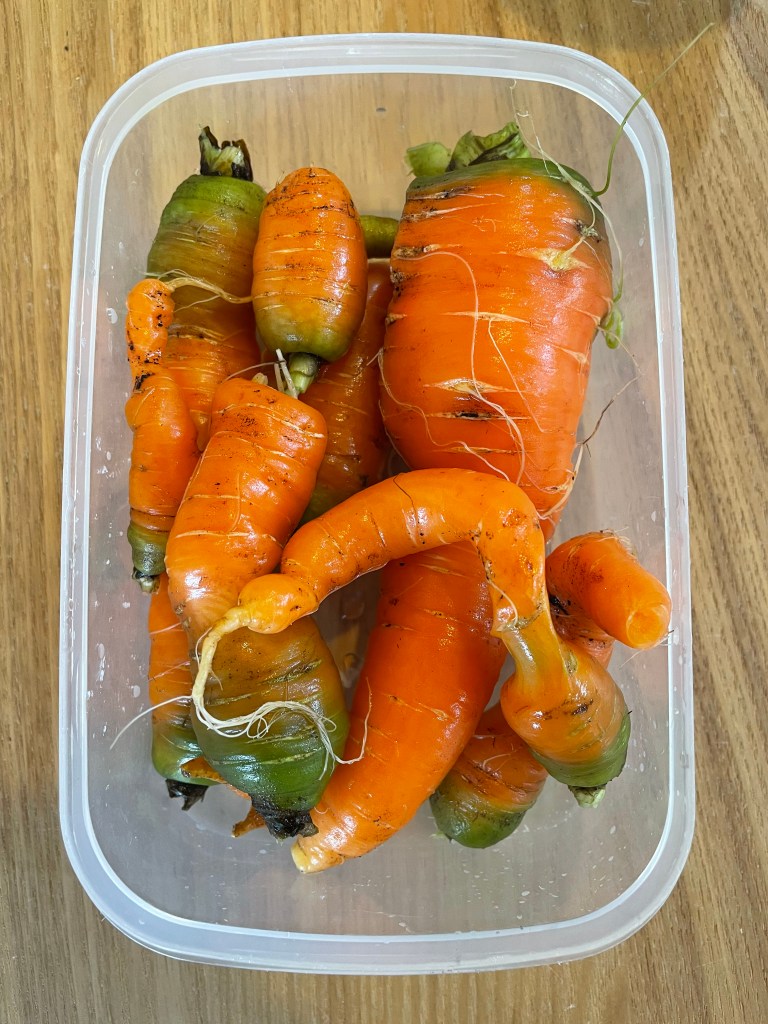
I hadn’t read whatever paragraph mentioned thinning the carrots, so we ended up with contorted clumps of miscellaneous sizes. The tops had also been out in the sun and developed a chlorophyll hat. They were undeniably carrots though. Success! They’re the dog’s favourite snack, and their imperfections weren’t important to him. He even sniffed out the rejects from the garden bin for a late afternoon snack.

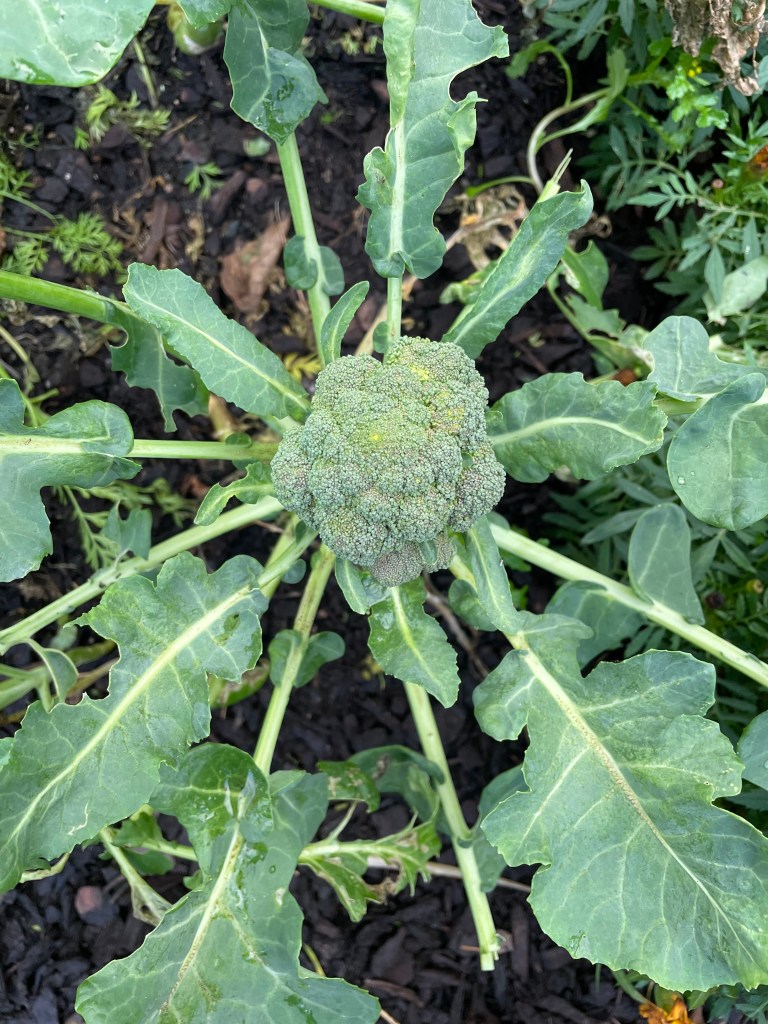
Early on in the broccolis’ life, I went outside on a damp night to find snails slithering about and feasting on the leaves. Once a deterrent was added against these slippery invaders, the brassicas became brilliant. The first head has just made the short journey from ex-sandpit to dinner plate and was declared delicious.

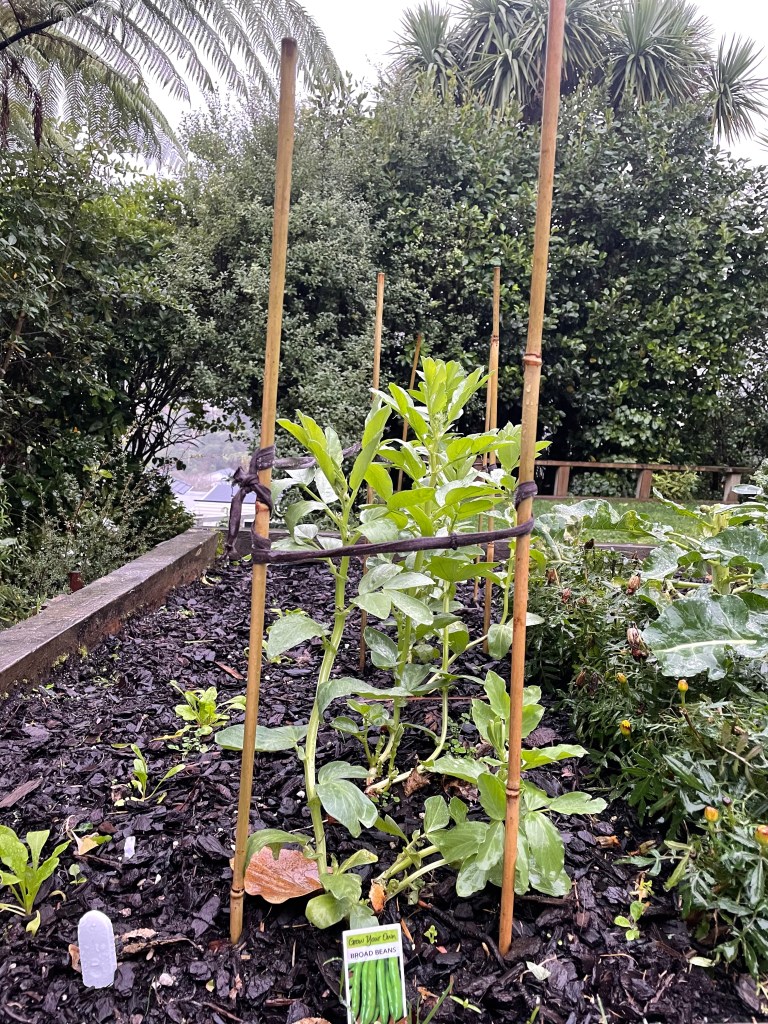
The winter crop of broad beans and beetroot are now underway, and I’m excited about creating tasty (but probably wonky) treats all year round.
Rain dance

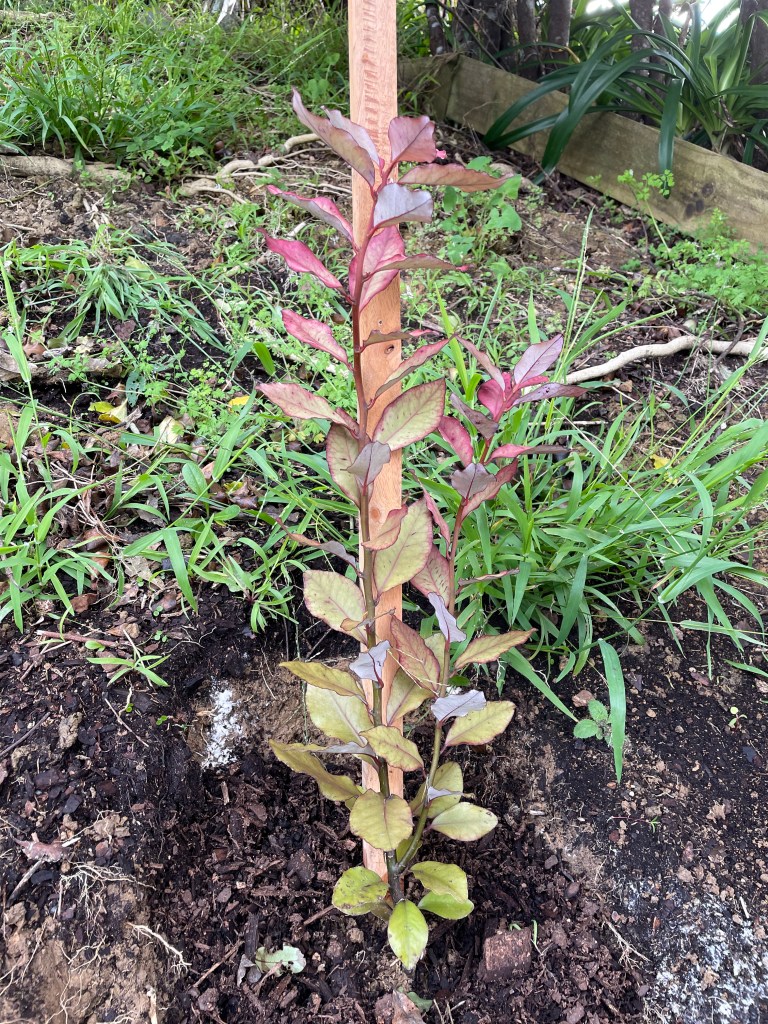
This is the first year I can remember getting excited about the end of summer, and being happy to see rain in the forecast. Autumn means tree planting! We’ve had a dry few weeks but have finally been gifted a decent downpour, and – hopefully not too early – I’ve been out with the spade.

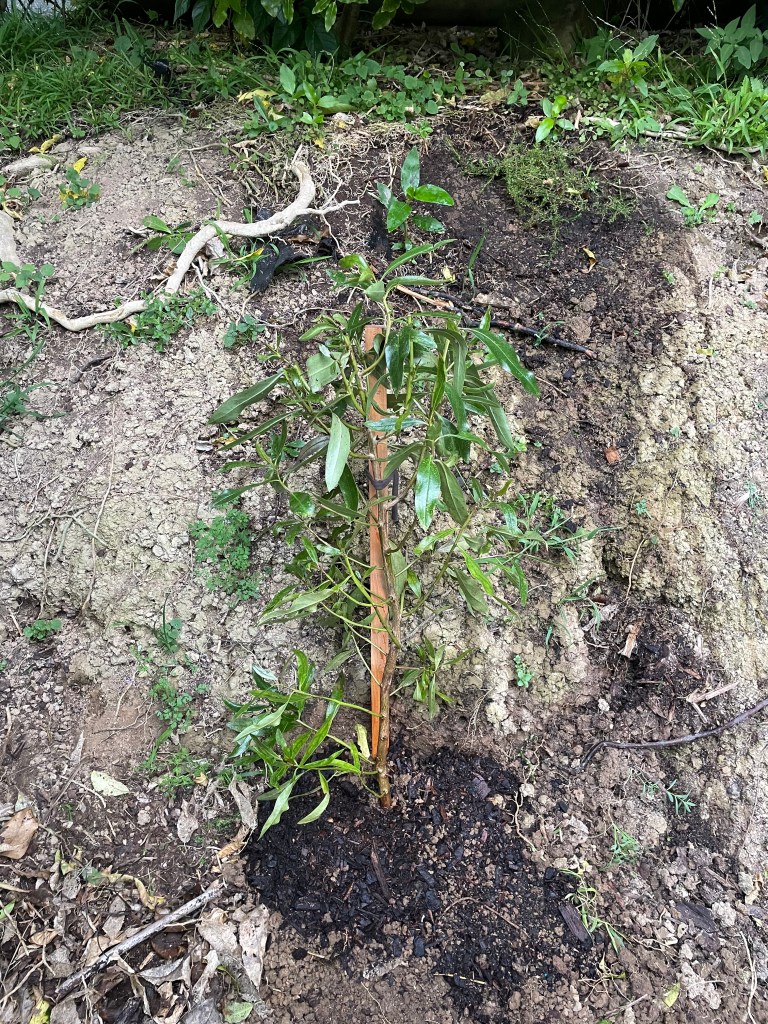
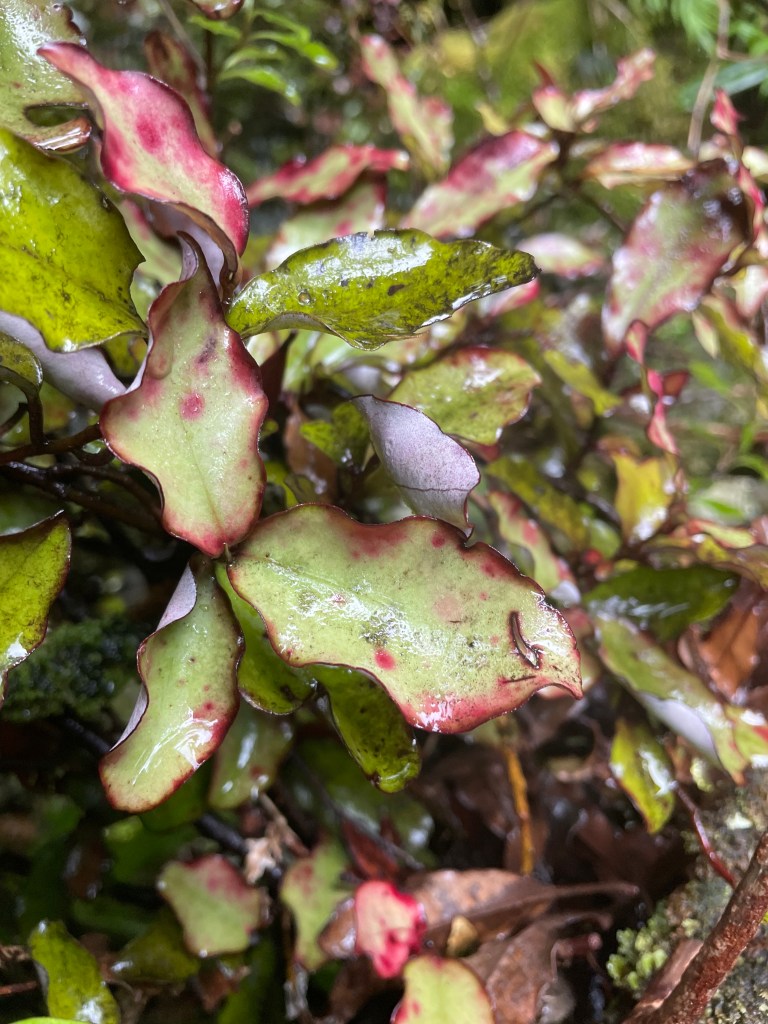
We have a nice tree lineup at the front now: ngaio, tītoki, the existing pigeonwood, and a mountain horopito. I’m just back from a West Coast trip where the horopito was a warm chromatic contrast to the evergreen bush. I usually try and plant Wellingtonian natives, but I’ve quietly forgotten the rule for this new favourite.

The bank we’ve named “Monkey’s Fernery” now has a prickly shield fern, a kiokio and a little prostrate hebe. I’ve also tucked in a northern rātā sapling amongst the bigger trees, which may not be my smartest idea if it shoots to the clouds. There are a fair few in the Orongorongo Valley that would loom large over our little house.

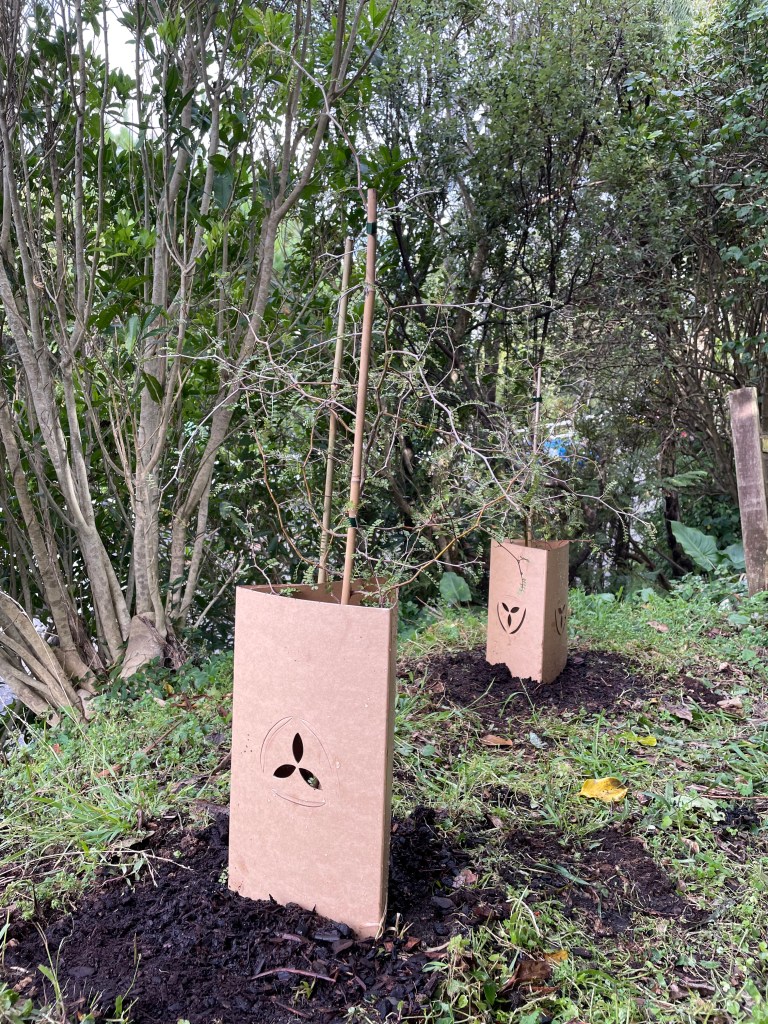
Just in front of our fenceline, two kaikōmako/bellbird trees and a pair of small kōwhai are now braving a relentlessly weedy spot on top of the rocky road reserve bank. Good luck to them. Let’s hope at least half of the new plantings survive their first winter.

Pretty, bad

Some garden invaders advertise themselves with spines and thorns, clearly a foe. Others throw you off the scent with flowers.

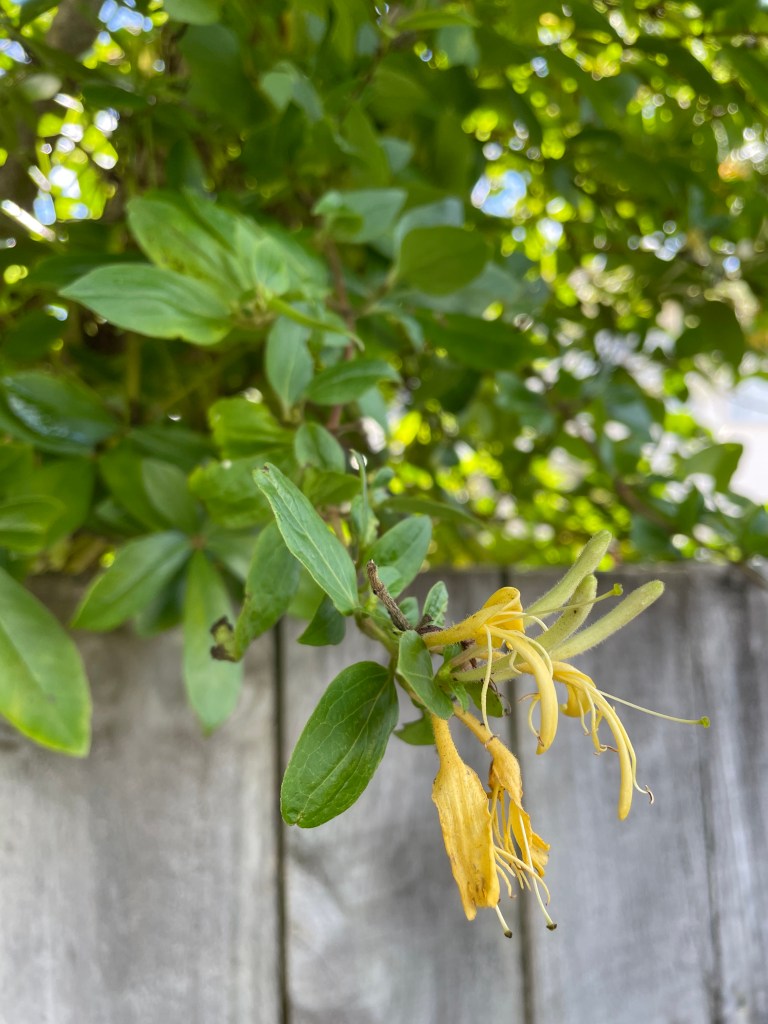
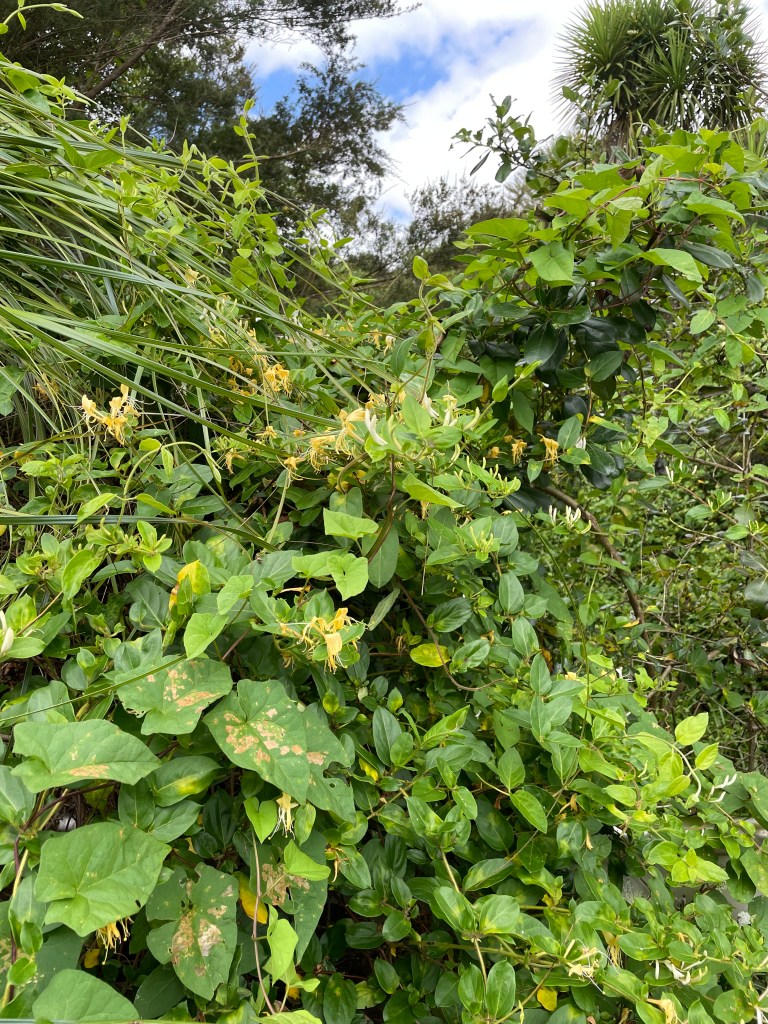
Our first attractive interloper was Japanese honeysuckle. The white and yellow flowers popped up over our back fence, and it had successfully scaled the tree next to it. From our window, I saw the same little flowers peek out of other treetops. This clambering scamp is vigorous enough to cause canopy collapse, smothering everything in its path as it climbs towards the light. I removed an incredible tangle of it, with the rest turning autumnal colours after my snipping and stump painting.

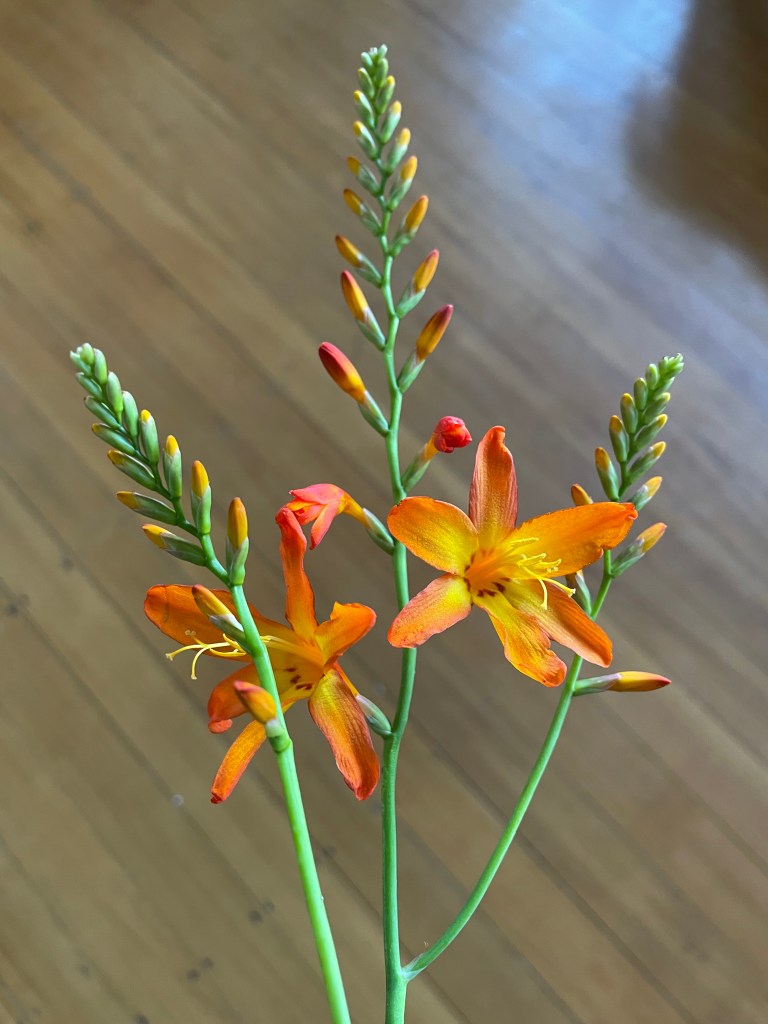
We also had a lovely/terrible stand of Montbretia, which quietly existed as a broad grass all year but suddenly announced itself with a flurry of orange flowers in early January. It’s probably the best-looking weed we’ve got (sorry, agapanthus) and there were some protests when I started plucking it out from around one of the feijoas. There are a few dozen on the bank down to the street and they seem to spread like wildfire, so I doubt we’ll ever be short of the blazing blooms.

In bloom

I returned from a few weeks away to a garden on fast-forward. Convolvulus snaking everywhere, tradescantia multiplying and little cherry seedlings popping up. Agapanthus, my nemesis, is in flower and I want to snip the top of every one I see. Bright yellow broom is threatening to explode seed pods at any moment. There are about ten thousand daisies in the lawn but they can stay.

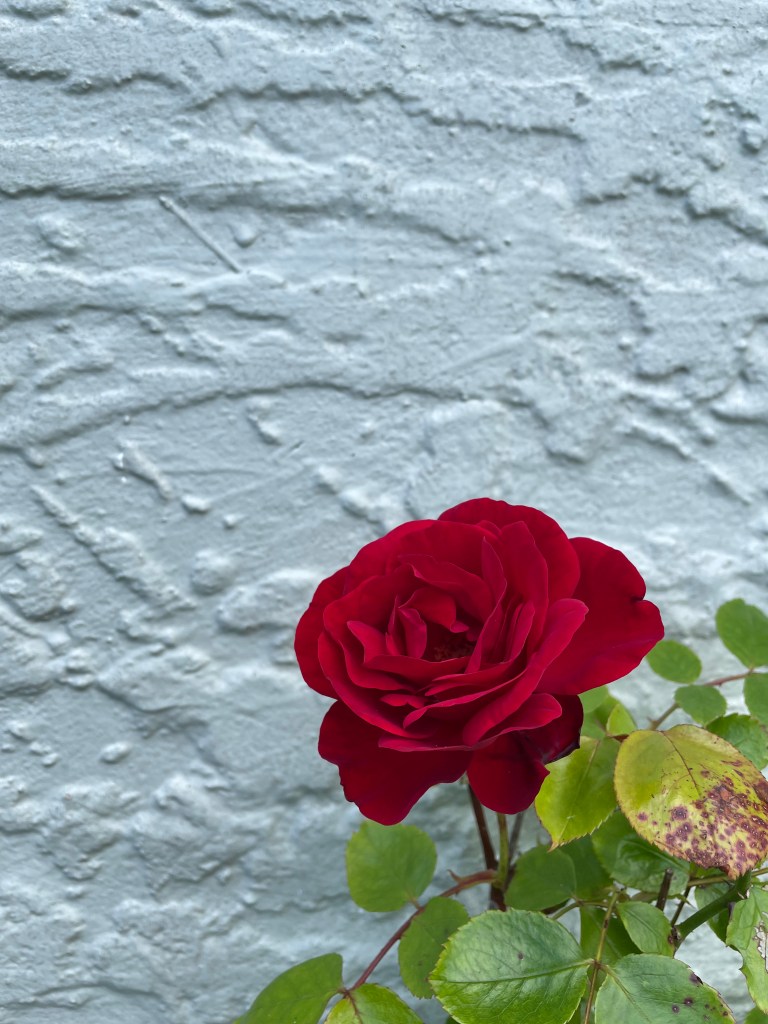
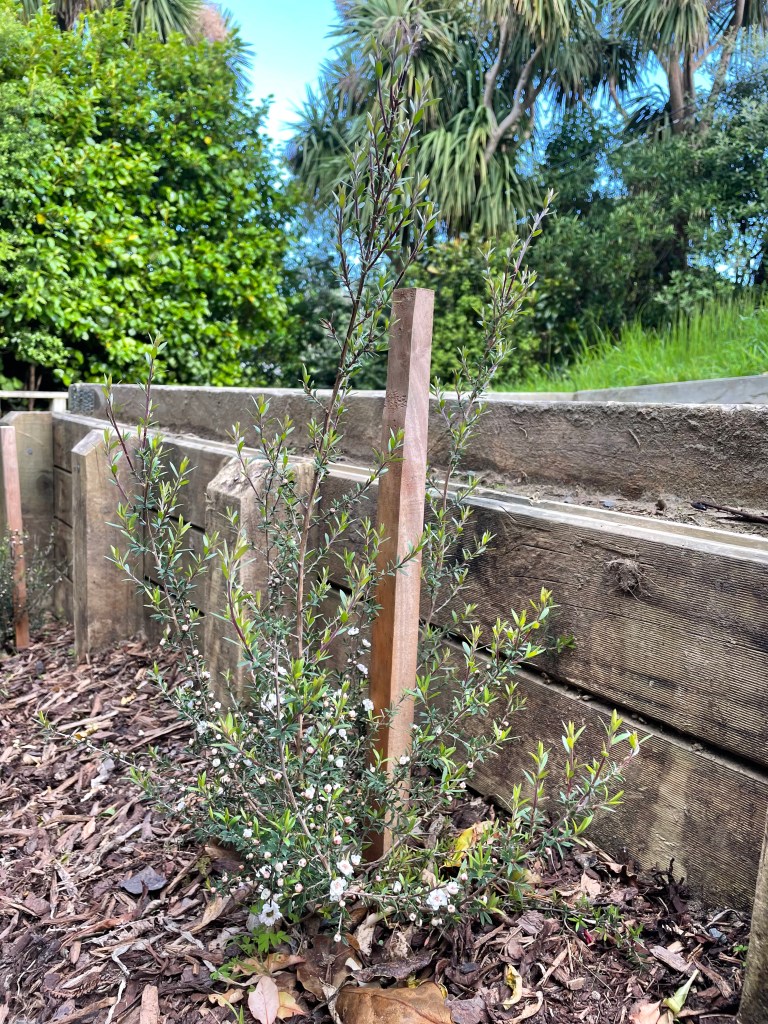
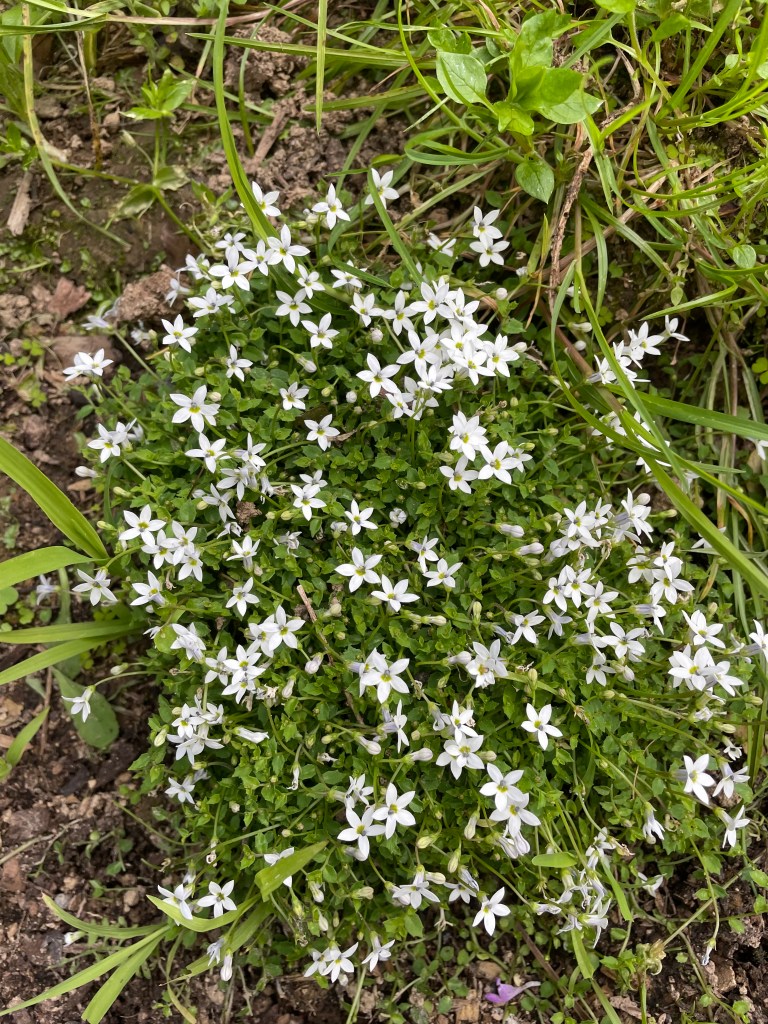
Is it a coincidence that most of the thriving plants were not planted by me? All the Rs are out: renga renga, rhododendrons, roses. Some small successes of ours along the path though: the manuka and little pratia alba have both managed a flurry of white flowers.

Catch the pigeon

After months of frantic digging and colourful language, nearly all of the agapanthus are gone. Their monstrous roots have filled two garden bins a week since midwinter, wheeled gingerly down the path and then humped up the kerb.

Their final domain at the front of the garden was mostly on top of a giant weed mat, which made extracting the last few slightly easier. It also meant the soil underneath the mat hadn’t seen the sunlight or a falling leaf for many years, and it’s the most leaden and slippery of all the clay soil we have.

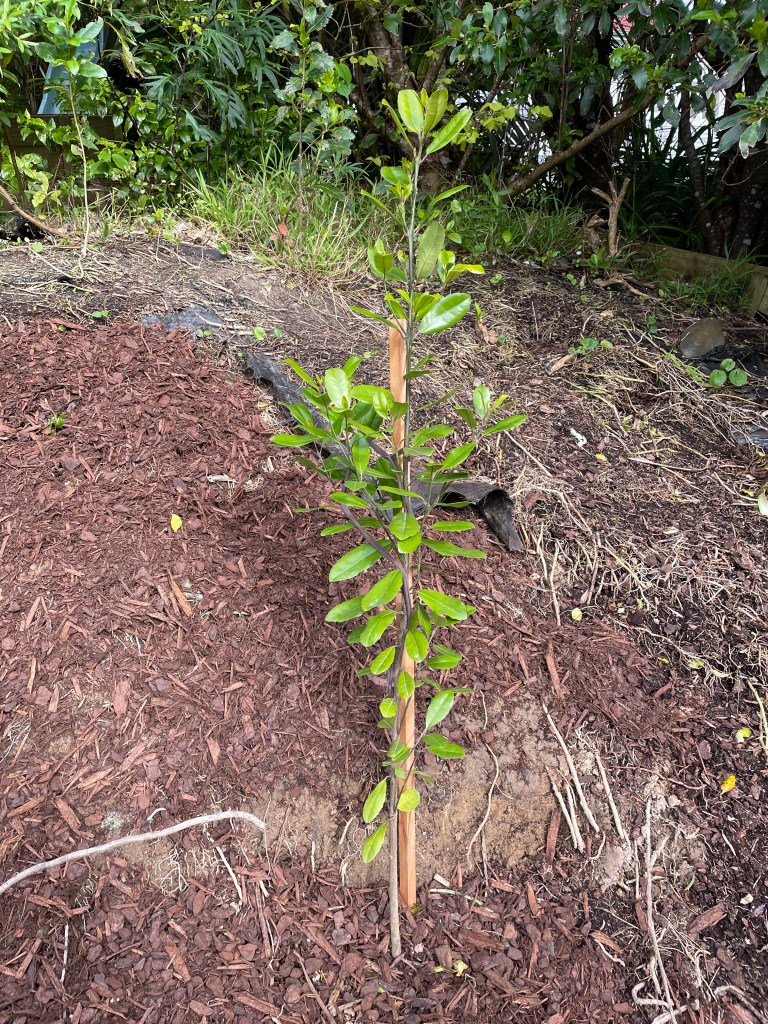
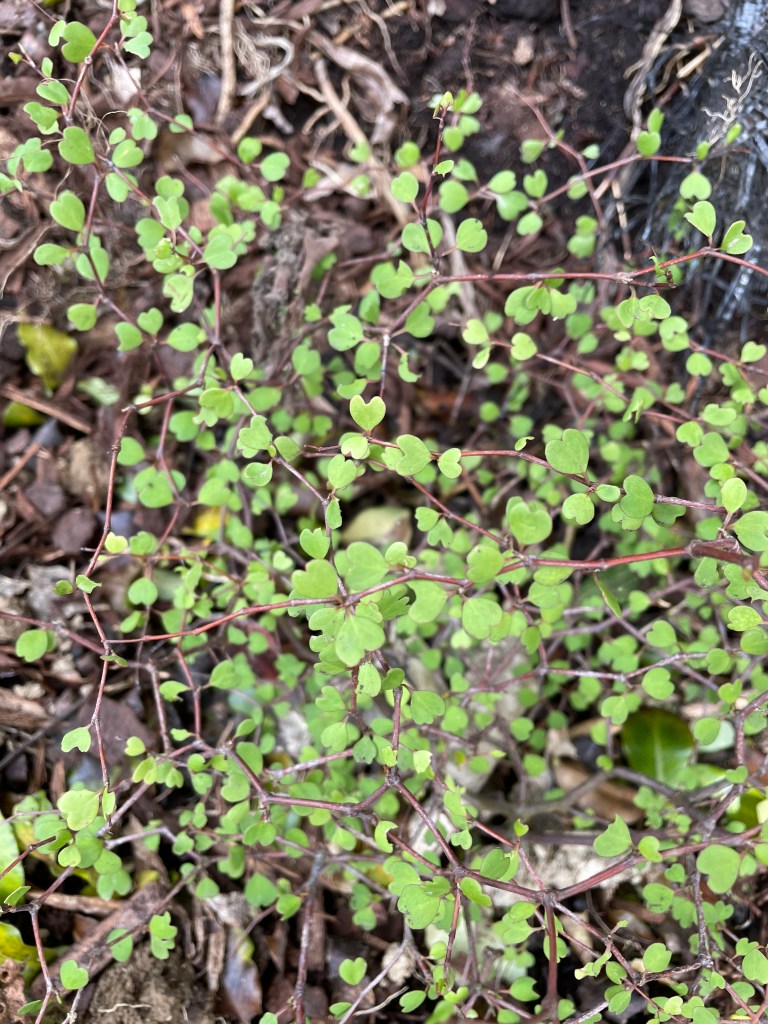
Bravely taking on these difficult conditions is a single pigeonwood (Hedycarya arborea), a lure to attract more cooing kererū to our garden. The oval orange berries are a pigeon delicacy. We’ve also planted a quartet of Muehlenbeckia astonii/shrubby tororaro, a tangly shrub with heart-shaped leaves, hoping optimistically that they will romance each other and combine into a hedge.